The Magic of Plussing
Product lessons from Disney's detail-obsessed mindset
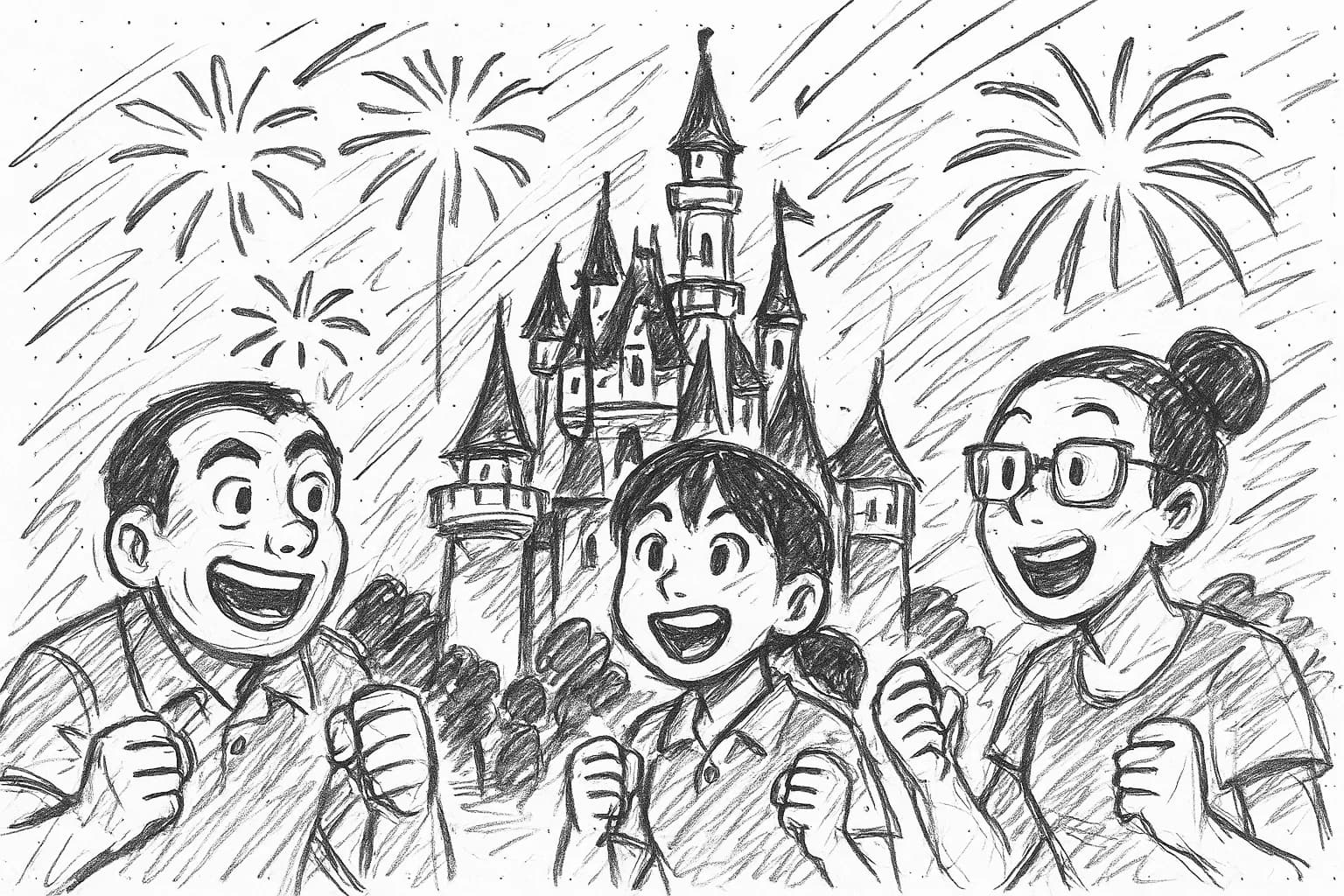
There’s a reason a visit to Disney feels different.
Beyond the spectacle of the castles, the attractions, the parades, and the fireworks, what truly makes it magical is the care behind it all. Every detail is there for a reason. Not just to function, but to make you feel something. To surprise and delight you in ways you didn’t expect.
Not too long ago, I was in Magic Kingdom picking up my food order. When I grabbed the tray, I noticed a cast member had tucked in a Mickey-shaped chocolate. I hadn’t asked for it. It was tiny and probably cost them nothing. But it came with a smile, and it completely made my day.
That’s plussing. It’s the practice of adding a little extra care. A detail no one asked for. A quiet touch that makes the moment better than it had to be. And it’s not just a Disney thing—you see it in the best products and services. When someone puts in more care than they have to, it cuts through the noise. It resonates, and it sticks.
Walt’s way of thinking
Plussing started at Disney. Walt used to walk through projects with his team, looking for ways to make good ideas better. Instead of saying no or picking something apart, he’d say, “Yes, and we could plus this by...”
“When I see things I don’t like, I start thinking, ‘Why do they have to be like this, and how can I improve them?’” — Walt Disney
For him, “plus” wasn’t a buzzword. It was an action. It meant looking at something and asking, how do we take this a little further? What’s one more layer we can add to make it even more meaningful?
“The hardest part of working with Walt was that he never wanted to repeat himself. And he set that tone. The real challenge was always to top the last thing—not just by making the next thrill ride, but by creating a new story, using new tools, and doing something no one else had done before. Something that would surprise people in the best way.” — Marty Sklar, Visionary Disney Architect
“Something alive, something that keeps growing”
Walt didn’t want to build another theme park. He wanted something alive: a living, breathing world shaped by care, constantly evolving. Unlike film, where the story ends when the reel does, Disneyland could keep growing.
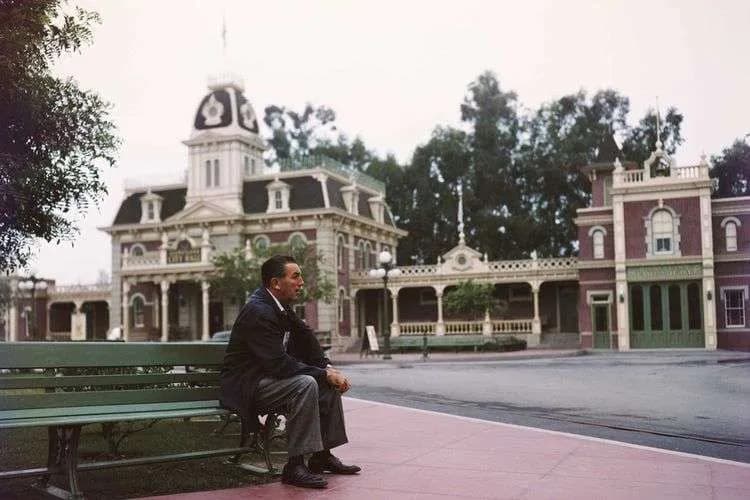
“The park means a lot to me, in that it’s something that will never be finished. Something that I can keep developing, keep plussing and adding to—it’s alive. It will be a live, breathing thing that will need changes.” — Walt Disney
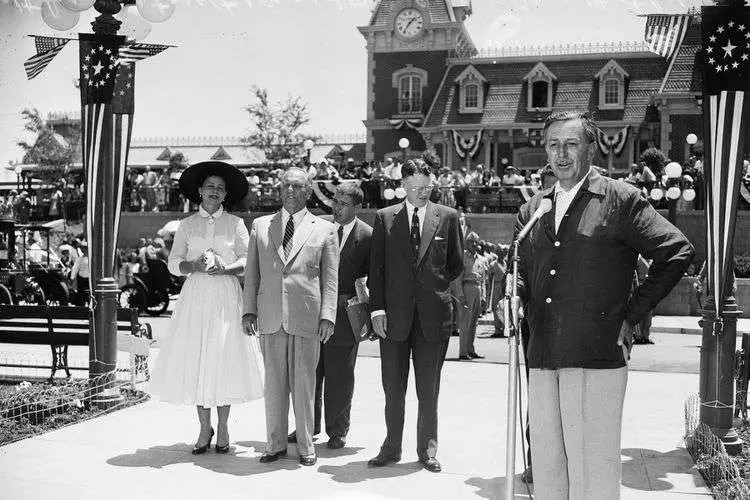
That mindset was there from day one. When Disneyland opened in 1955, Walt’s team proposed a big parade. His advisors said not to do it. It would be too expensive, the park was already crowded, and no one would expect it. But Walt saw it differently:
“We should do it precisely because no one’s expecting it. Our goal at Disneyland is to always give people more than they expect. As long as we keep surprising them, they’ll keep coming back. But if they ever stop coming, it’ll cost us ten times that much to get them to come back.”
So they did. Walt signed off on what would be about $3.8 million today to make it happen. That parade helped set the tone: this wasn’t just a park. It was a place where even the unexpected was intentional.
You feel it everywhere
Plussing is all over Disney. Not just in big attractions, but in the quiet, behind-the-scenes details that most guests never consciously think about. That’s part of the magic.
Take trash cans. Walt noticed how far people would walk before they littered (about 30 steps). So the parks are designed so you’re never more than 30 steps from a trash can. A simple insight that turned into a design rule to keep the place clean without needing signs or reminders. In Magic Kingdom, there’s even a hidden vacuum system that whisks trash away behind the scenes so you never see an overflowing can or a cast member wheeling garbage through a themed land. Cleanliness itself becomes part of the illusion.
Main Street, U.S.A. is full of these kinds of choices. The street is exactly 30 feet wide, with 15-foot sidewalks on either side, just enough to feel lively without feeling cramped. Even the scent of vanilla in the air is intentional, pumped in to make the space feel warm and welcoming. Both the space and the scent work together to pull you forward, guiding you deeper into the story.
The transitions between lands are just as considered. Pavement textures change underfoot. Color palettes shift gradually. Music fades from one area to the next. Even the plants are themed. Adventureland’s dense greenery feels wild and mysterious, while Tomorrowland’s landscaping is clean and futuristic.
And then there’s what you don’t see. Walt didn’t want the illusion to break, not even for a second. That’s why Magic Kingdom was built on top of a huge network of underground tunnels called the Utilidors. They let cast members move between lands without being seen. You’ll never see a Tomorrowland astronaut accidentally wandering through Liberty Square. Everything stays in character.
Attractions are plussed too. The Jungle Cruise, for example, was originally a straight-laced boat tour. But Walt thought it needed more life, so he encouraged the skippers to add jokes. Today, the humor is what people remember most.
The Enchanted Tiki Room could’ve been just a bird show. But Walt pushed for something more: lifelike, synchronized Audio-Animatronics. At the time, it was a huge leap in technology. They didn’t need to do it, but it made the experience better, so they did.
The Tower of Terror, in true Disney fashion, starts before the ride even begins. The hotel lobby is frozen in time, filled with eerie details. A mahjong game sits mid-play, the tiles arranged using real rules. Most people walk right past it. But if you notice, it quietly says: somebody cared enough to make this real.
Pirates of the Caribbean doesn’t just show you a story; it surrounds you with one. The scent of gunpowder and saltwater. The cool air in the caves. The subtle changes in lighting and temperature. It all adds depth, without calling attention to itself.
And then there are the people. Cast members are trained and trusted to create small “magical moments”, like my chocolate bar, a surprise Lightning Lane pass, or a thoughtful note to a tired family. These aren’t scripted; they’re instinctive. They turn routine moments into something personal and unforgettable.
Even the Hidden Mickeys (tiny silhouettes tucked into railings, wallpapers, food, etc.) are pure plus. They’re not necessary and they don’t demand attention. But they reward the curious.
Every detail, visible and invisible, comes from the same place. Someone cared enough to ask: What’s one more thoughtful thing we can do here?
Plussing isn’t just about adding value. It’s about adding feeling. That’s the upgrade from something people use to something they love.
Plussing is product strategy
A lot of products stop at “it works.” The button clicks. The data saves. The page loads. Mission accomplished. But “working” isn’t what people remember. It doesn’t build loyalty. It doesn’t make people care.
The best products go further. They add something intentional and human. Consider:
- Mailchimp’s high-five animation after sending a campaign.
- Slack’s early loading messages, filled with wit and personality.
- Headspace’s gentle, encouraging animations that make you feel calm the moment you open the app.
None of these touches are technically necessary. They don’t change the core functionality. But they do change how you feel. It’s what transforms “I use this” into “I’d miss this if it were gone.”
In a world where AI can spin up functional apps overnight, utility isn’t enough anymore. Care is the new differentiator.
The four dimensions of a plus
Plussing is really about spotting the small opportunities that most people overlook: the little moments that could be more useful, more thoughtful, or more joyful with just a small nudge.
Here’s one way to break it down:
| Type of plus | What it adds | Examples |
|---|---|---|
| Functional Plus | Clarity, flow, ease of use | Faster load times, clearer labels, smarter defaults, inline help |
| Emotional Plus | Comfort, encouragement, connection | Warm confirmations, milestone celebrations, calming visuals |
| Surprise Plus | Delight, playfulness, personality | Easter eggs, clever copy, fun loading states or animations |
| Thoughtful Plus | Empathy, anticipation, care | Humanized errors, inclusive forms, prefilled fields that save time |
Use this more like a lens versus a checklist. It’s a way of looking at your product and asking: Is this just functional, or could it be something more?
Try turning it into a team exercise. Ask:
- Are we solving the problem, but missing the feeling?
- Is there a moment that deserves more care?
- Could we add something thoughtful, even if it’s invisible to most?
You don’t need to hit every category. Just one well-placed plus, in the right moment, can mean more than an entire new feature.
Where to focus your plussing energy
You don’t have to plus everything. Focus where emotion runs high and expectations are low. Those are the moments that can transform an experience.
Transitions and waiting
Waiting naturally creates tension. Use it. Warm it. Surprise it.
- Friendly loading messages (Emotional Plus)
- Subtle animations that ease the wait (Surprise Plus)
- Helpful tips or small insights surfaced naturally (Thoughtful Plus)
Points of friction or failure
When something goes wrong, emotions spike. These are your best chances to show you care.
- Gentle, human error messages that guide, not blame (Emotional Plus)
- Clear, actionable guidance instead of dead-ends (Functional Plus)
- Warm reassurance during system hiccups (Thoughtful Plus)
First-time experiences
First impressions set the tone. A small moment of warmth here can build trust and momentum that carries throughout the entire user journey.
- Welcoming onboarding that feels like a conversation, not a checklist (Emotional Plus)
- Thoughtful empty states that guide with clarity and personality (Thoughtful Plus)
- Encouraging first steps with supportive microcopy (Functional + Emotional Plus)
Everyday moments
The things people do daily like send, click, and confirm are easy to ignore. But they’re the perfect place for low-effort, high-feel plusses.
- Celebrations after task completion (Surprise Plus)
- Personalized confirmations that feel human (Thoughtful Plus)
- Friendly, brand-flavored messages that lift the emotional cadence (Emotional Plus)
Yes, B2B products can (and should) plus
Enterprise users are still people, often under pressure, juggling multiple tools. A thoughtful interaction in a dry dashboard can be just as powerful as a playful plus in a consumer app. Care cuts through everywhere.
How you know if plussing is working
Plussing doesn’t just make experiences feel better; it makes them perform better. When people feel cared for, they stay longer, explore more, complain less, and tell others. Here’s where you’ll start seeing it:
Retention
People come back where they feel considered. Thoughtful details build emotional connection, and emotional connection drives habit.
- Are people returning naturally without reminders?
- Are they describing your product as calming, delightful, or thoughtful?
Pinterest’s personalized “For You” feed increased session time by 18%.
Feature adoption
Delight encourages exploration. When people feel comfortable and curious, they click around more. They’re more likely to try new features, especially if your product meets them with the right tone at the right time.
- Are new features being discovered organically?
- Are walkthroughs being completed instead of skipped?
Figma’s “little victories” animations encouraged 22% more users to try advanced features.
Support volume
Clear, caring interactions reduce confusion. Support tickets are often a lagging indicator of unclear design or emotionally cold UX. When you get the tone, clarity, and timing right, people don’t need to ask as often.
- Are support tickets trending down over time?
- Are people finding their way through tough spots on their own?
Virality
Delightful moments get shared. People rarely post “the form worked”, but they’ll share the tiny moment that made them laugh, smile, or feel seen.
- Are people posting screenshots or quotes from your product?
- Are organic referrals tied to specific product moments?
Spotify Wrapped generated over 60 million shares in one year. Delight as a viral engine.
Loyalty and LTV
Utility brings users in the door. Care makes them stay longer.
- Are users sticking past the first 7, 30, 90 days?
- Are users upgrading, expanding, or advocating because they love it?
Notion tracks how often users describe their experience as “magical”, and uses that signal to guide design.
Just ask
Metrics tell part of the story. But if you really want to know where the magic lives, ask.
- Add a lightweight prompt after key flows to surface what stood out or felt meaningful to users.
- Run user interviews to surface what people remember. Often it’s something small you thought no one would notice.
Build a culture of plussing
Plussing isn’t an accident. It’s a culture. A way of working. And you don’t need a team of Disney Imagineers to do it well. Here’s how to build it into your team and process:
Use “Yes, and...” thinking
Delightful ideas often get shut down too early, whether because of scope, speed, or skepticism. Instead of “We can’t do that...” try “Yes, and if we simplified it, what could it look like?” “Yes, if...” keeps creative doors open. “No, because...” slams them shut.
“The Disneyland creators determined early on that you could say, ‘Yes, if...’ to Walt and explain the options. But you could never say, ‘No, because...’ ‘Yes, if...’ is the language of the enabler. ‘No, because...’ is the language of the deal killer.” – Marty Sklar, Visionary Disney Architect
Protect time for magic
Plussing doesn’t happen when every minute is spent shipping core features. Reserve a little space (even the last 10% of a sprint) for small touches that make the work shine. Invite designers and engineers to propose “plus ideas,” even for features already shipped.
Map emotional touch points, not just user flows
User journeys aren’t just a sequence of clicks. They’re an emotional arc. Don’t just map what users do. Map how they feel.
Overlay an emotional journey onto your flowcharts. Look for the peaks: moments of excitement or progress. Look for the valleys: moments of uncertainty, pressure, or friction. Ask: Where might someone feel unsure? Rushed? Overwhelmed?
Those emotional highs and lows are your best opportunities to add thoughtful plusses; not just the areas with the most traffic, but the moments where feelings are the strongest.
Steal like an artist (or an Imagineer)
Some of the best ideas won’t come from your own industry. They’ll come from unexpected places. Notice the moments that make you pause, smile, or lean in. Save them. Screenshot or video them. Write them down. Then break them apart: What made this moment work? Timing? Tone? Contrast? And finally, ask: How might we adapt this energy into our own product, voice, or ecosystem?
Disney Imagineers do this constantly. They draw inspiration from everywhere: travel, architecture, daily life, even wildlife. Before building Animal Kingdom, Disney sent teams to Africa for months to study real habitats and village design. For Epcot, they immersed themselves in the culture of each country represented. Even queue lines became canvases for plussing, turning into part of the experience through interactive games, ambient storytelling, and immersive environments.
Avoid over-plussing
Not every moment needs a confetti cannon. The best plusses are often invisible; the quiet touches that make someone pause, smile, and feel seen, without ever breaking the experience. Test your plusses across repeated use, different flows, and different kinds of users — especially those under pressure. Focus on what feels right, not just what feels clever. And always ask: Will this still feel delightful the 10th time someone sees it?
Become a Software Imagineer
At Disney, Imagineers are the architects of wonder. They don’t obsess over tiny details because everyone will notice. They do it because someone might. And for that person, it could create a moment they never forget.
You don’t need to build theme parks. You just need to care enough to ask: What’s one more thoughtful touch I could add here?
Try it: Take one small moment in your product. Add one thoughtful touch. Ship it. See how people respond. That’s how you build memorable products: not all at once, but one detail at a time.
Remember: It’s not about being flashy. It’s about being intentional. One small detail could be the thing a user remembers. That’s how you build something people don’t just use, but love.
“Do what you do so well that they will want to see it again and bring their friends.” – Walt Disney
Your product is alive. Keep growing it.