The Advantage of Discomfort
Leveraging pain points for personal growth
“Change happens when the pain of staying the same is greater than the pain of change.” - Tony Robbins
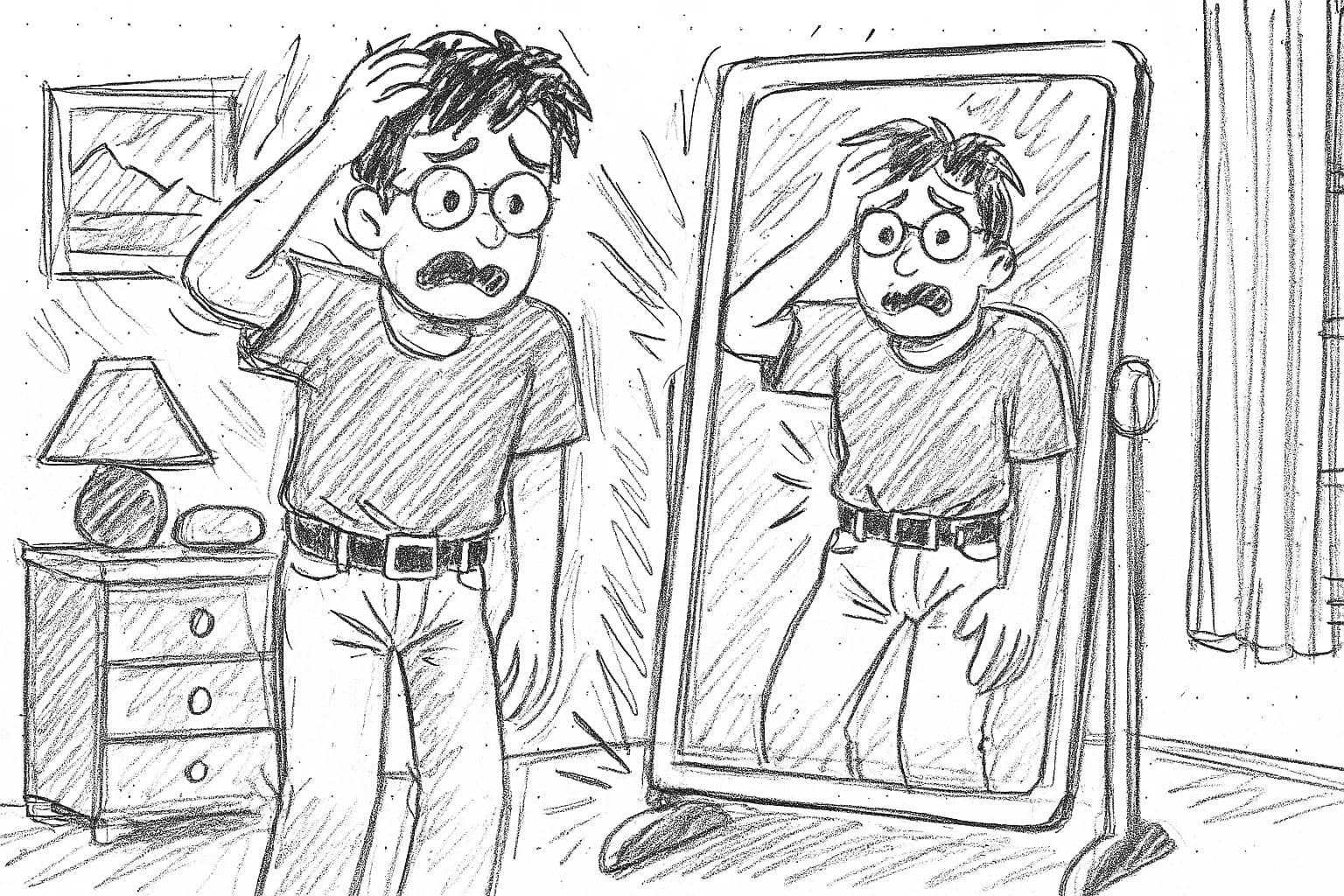
A few years back, I had a pair of jeans that fit perfectly, but then grew tight in all the wrong places (totally the jeans’ fault). Instead of getting rid of them, I kept wearing them. Not because they looked good, but because they didn’t. The discomfort became a constant reminder that something needed to change.
Every time I reached for something sweet or went back for seconds (or thirds), those jeans reminded me what was coming. I’d feel the waistband dig into my stomach, enough to make me pause and ask: Is this bite worth feeling worse in these jeans later?
Initially, it was just a trick to help curb my cravings. But over time, I realized something deeper was happening. I was starting to re-associate pleasure and pain. The short-term high of giving in didn’t feel worth the long-term discomfort anymore. And strangely, the discomfort of the jeans started to feel good because it meant I was choosing the goal that mattered over the one that just felt good in the moment.
Eventually, those jeans fit again and the squeeze went away. But, the lesson stuck.
The lesson in the squeeze
We’re wired to chase pleasure and avoid pain. It’s survival 101. But that instinct doesn’t always help us make the right choices.
We reach for quick relief, even if it backfires later.
We avoid discomfort, even when it’s exactly what we need.
It’s a pattern I’ve fallen into again and again. Not just with food, but with how I handle my time, my energy, and my goals. I take on too much. I get excited, overcommit, and tell myself I’ll find the balance later. But the balance never comes. Over time, the things I once loved start to feel like burdens. I lose momentum, and then I burn out.
Discomfort isn’t a stop sign. It’s a signal. Just like pain in your body tells you something’s off, discomfort in life is your mind’s way of saying: Stop. Pay attention. Something needs to change.
For years, I avoided speaking up in meetings. I’ve never been the most outspoken person. I tend to think before I talk, which sometimes meant not talking at all. The idea of asserting myself felt uncomfortable: heart racing, voice shaky, the whole thing (and honestly, it still hasn’t fully gone away). Staying quiet felt safer. But over time, a different kind of pain set in: watching others pitch ideas, take the lead, and move ahead while I stayed stuck. It felt like I was falling behind, not because I wasn’t capable, but because I was holding back. And with every missed chance, the self-doubt grew. Maybe I wasn’t cut out for more. Maybe this was just failure in slow motion.
Eventually, I realized the problem wasn’t the discomfort. It was avoiding it. Staying silent was the real failure. Little by little, I started speaking up, even when I wanted to shrink back. It wasn’t about having the perfect words. It was about being willing to speak up. Over time, the fear faded, but the growth stuck.
Psychologist Roy Baumeister found that people who view discomfort as feedback rather than failure show stronger self-control and achievement.
Discomfort isn’t the enemy. It’s the process.
- That ache in your muscles? It’s how strength is built.
- That awkward first conversation? It’s how confidence starts.
- The craving you resist? That’s your discipline getting stronger.
- The honest feedback that stings? That’s the beginning of real growth.
- The silence after speaking up? That’s courage, not failure.
- The temptation you walk away from? That’s your future winning over your impulse.
- The thing you finish even when it’s boring? That’s what builds consistency.
- The plan you stick to when motivation fades? That’s how habits are built.
- The boundary you set? That’s self-respect taking root.
- The moment you stay instead of quit? That’s resilience in motion.
Progress doesn’t feel comfortable, and it’s not supposed to.
Practical ways to use discomfort
Discomfort can be a powerful tool, if you learn how to work with it. Here are a few ways to turn it into fuel for positive change:
Compare change vs. staying stuck
Write down where your current path leads in five years versus the path of change. Which future looks worse? Seeing the stark difference between these futures puts today’s temporary discomfort in proper perspective.
Use social pressure
Find an accountability partner. When fixing my sleep schedule, I asked my wife to check my tracking app each morning. The thought of explaining poor sleep choices made midnight “just one more thing” temptations far easier to resist.
Practice discomfort in small doses
Start deliberately exposing yourself to minor discomforts, like cold showers, short fasting periods, or demanding physical tasks serve as training grounds, strengthening your ability to endure necessary discomfort.
Apply the 10-minute rule
Commit to just 10 minutes when resistance strikes. Starting is typically the biggest hurdle. Once you begin, momentum often carries you past the initial resistance and into productive flow.
Create environment friction
Design barriers that make unhelpful choices less convenient. In college, I refused to carry a credit card, requiring a long walk to the ATM for any purchase, which naturally filtered out impulsive spending. Similarly, store the TV remote in another room, delete social media apps, or arrange your kitchen with healthy options at eye level and temptations out of sight.
Create physical reminders
Find tangible cues that reinforce your goals. My tight jeans provided immediate feedback whenever I reached for sweets. Consider a fitness tracker that buzzes after inactivity, a motivating photo where temptations occur, or alarms labeled with your purpose.
Reward pushing through difficulty
Pair challenging tasks with meaningful rewards. After completing tough workouts, savor that hot shower or saved TV episode. Finishing difficult projects deserves a special lunch or small indulgence. These pairings build positive associations with the very actions your mind initially resists.
Create immediate consequences
Leverage your brain’s response to immediate feedback. My tight jeans provided instant consequences for dietary choices. Tell someone about your goal or create a penalty for not following through. This gives procrastination an immediate cost.
Discomfort as your secret weapon
That brief discomfort, whether it be a craving, a tough workout, or self-doubt, can be seen as a step toward long-term growth rather than instant relief.
Like my tight jeans, the squeeze is temporary. But leaning into that discomfort instead of avoiding it provides exactly the push needed for lasting change.
Discomfort doesn’t have to control you. You control how you respond to it.