The Power of a Perfect Opening
Using cinematic clarity to score great user experiences
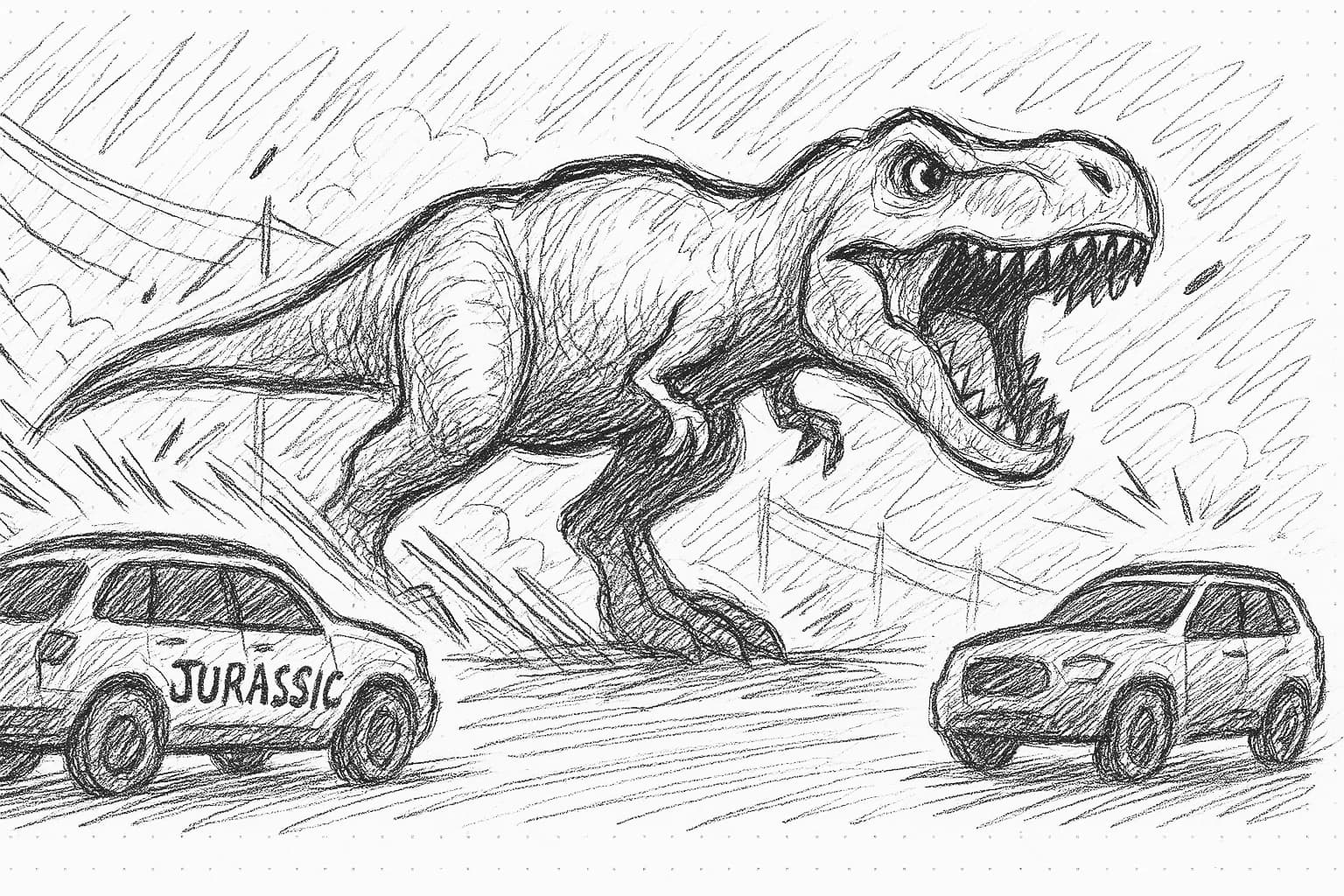
The best film scores don’t just support the story. They bring it rushing back. Like the twinkling notes in Harry Potter, the bold brass of Star Wars, or the aching violin in Schindler’s List. Just a few notes, and you’re there again.
I’ve loved film scores since I was a kid. Soundtracks have a way of telling a story, sometimes more powerfully than words or visuals ever could.
But some go further. They shape it the story itself. For me, that was John Williams’ score for Jurassic Park. It didn’t just become a favorite; it pulled me into film music in the first place. The emotion in it (like so much of Williams’ work) was something I understood before I saw one frame of the movie (my introduction to the franchise started with the soundtrack CD).
And it’s not just those epic themes that make it so powerful. It’s how fast it hits. In the first few seconds of the score — before you see a dinosaur, before Hammond delivers his iconic welcome, before we glimpse the mosquito in amber — Williams has already told you everything: awe, scale, mystery, and danger.
The track opens with three deep, resonant thumps. They’re not just percussive hits; they’re footsteps. The first two land with steady, deliberate force. But before the third, there’s a slight hesitation. Subtle, almost imperceptible, but enough to shift the mood. The rhythm breaks. The third thump still lands hard, but now, something feels off.
That hesitation is intentional. It’s a quiet warning. If you know the story, it’s foreshadowing of events to come.
Then come the breathy woodwinds, soft and uneasy, pushing the tension further as the track trails off without resolution. Like an open question.
In under 30 seconds, Williams gives you the full arc: ambition and risk, discovery and consequence—the thrill of bringing something back, and the dread of watching it slip out of control. And you don’t need a single frame of the film to feel it.
Why it matters in design
Great storytelling works the same way. Whether you’re scoring a film, designing a product, or introducing a brand, the first few moments matter. They set the tone, create contrast, and bring emotional clarity before anything is explained. The best products follow the same arc.
Set the tone
Those first two thumps don’t explain anything, and they don’t need to. You feel the scale and wonder without having to know a thing about dinosaurs or DNA.
Great products do the same. They set a tone before anything is said or clicked. Through layout, typography, and pace, they create a clear sense of atmosphere. You know where you are and how to move without needing instructions.
Duolingo does this well. The moment you open the app, Duo the owl gently prompts you: What language? What’s your goal? Have you done this before? It doesn’t feel like onboarding. It feels like an invitation. Light, playful, and focused.
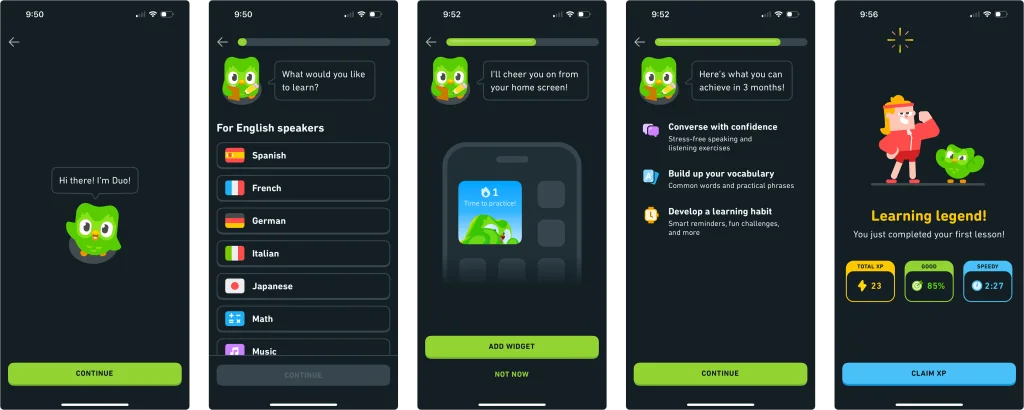
When products lead with tone, they make it easier to start. They help people feel at ease before asking them to do anything.
Shift the rhythm
The slight pause before the third thump shifts the energy. It breaks the rhythm just enough to make you lean in. Something’s changed.
Good products use contrast to surprise and re-engage. They build momentum by knowing when to shift the experience, like a quiet screen that reveals something new when the time’s right, or a simple layout with an unexpected twist that makes you look twice.
Arc Browser is a great example. At first, it feels like a minimalist take on Chrome. But then you notice the sidebar. You open a new tab, and it lives in its own space. Tools like Easels and Boosts surface as you explore. That shift, from familiar to distinctly new, feels intentional. And that discovery makes it sticky.
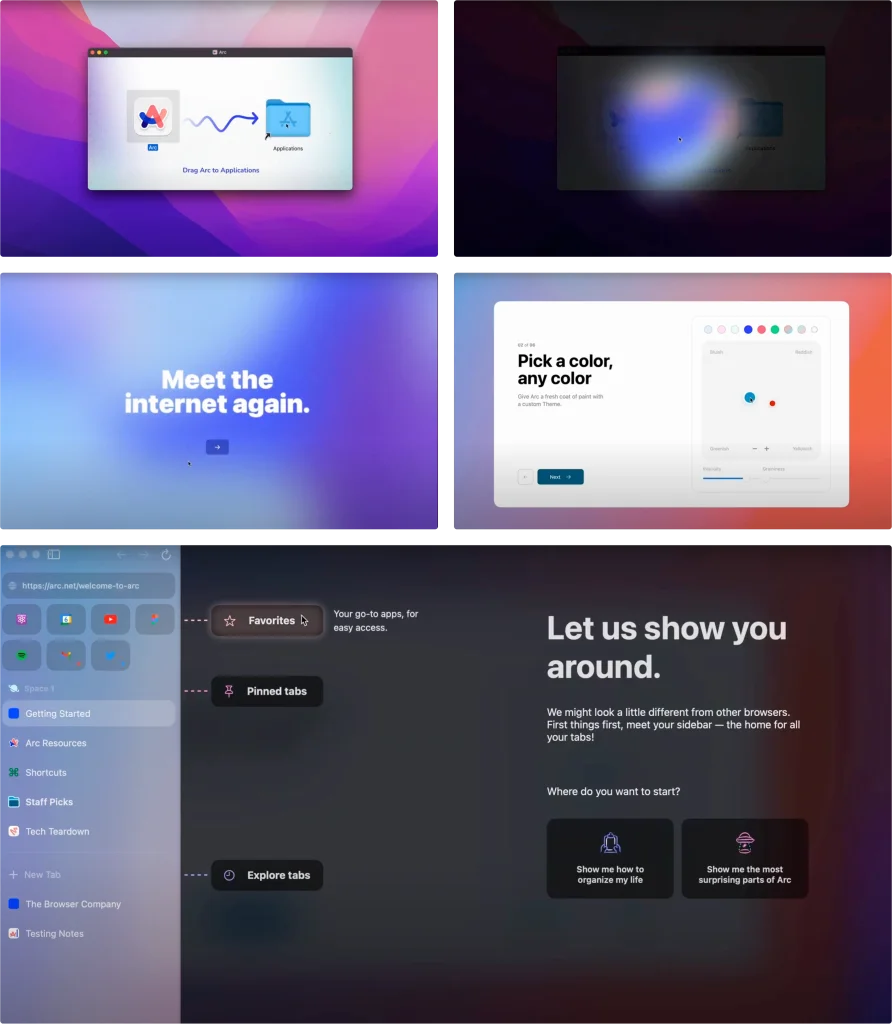
In the right moment, contrast becomes a turning point. It deepens the experience.
Land the feeling
Williams doesn’t build slowly. He lands the feeling right away. Wonder turns to tension almost immediately. The story isn’t told through exposition, but through mood. Before a single word is spoken, you already know what this world feels like.
The best products don’t start with features. They start by creating a feeling that gets you in the right frame of mind.
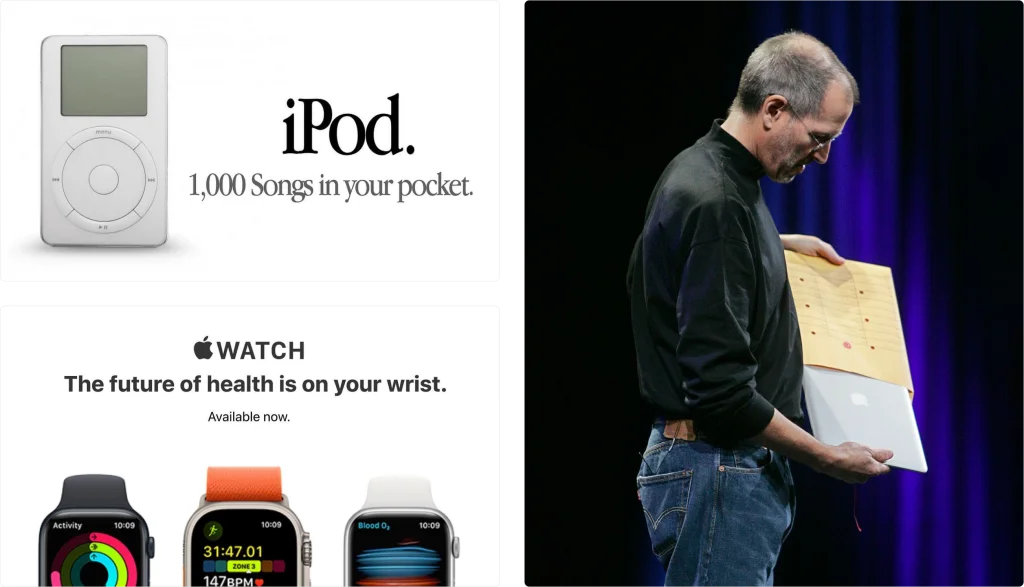
Apple has long understood this. The iPod wasn’t introduced as a 5GB MP3 player—it was “1,000 songs in your pocket.” The Apple Watch wasn’t about heart rate sensors—it was “The future of health is on your wrist.” Even the MacBook Air didn’t boast specs; it simply slid out of a manila envelope. Each one led with a feeling. Freedom. Ease. Possibility.
Headspace takes the same approach. When you open the app, you’re met with soft animation, gentle motion, and a few thoughtful questions. It’s not trying to explain meditation. It’s helping you feel ready to begin. That shift in state is the product.
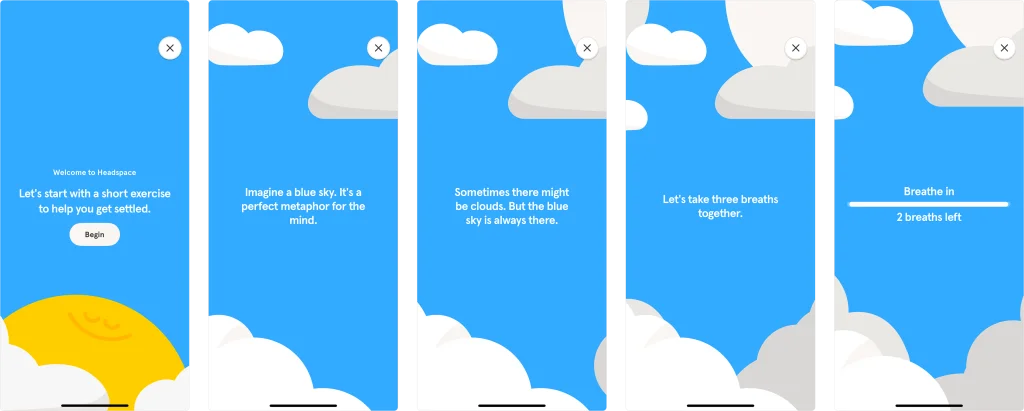
When a product leads with emotional clarity, everything that follows feels more natural, because it meets you where you already are.
Your first few seconds matter
If you had just a few seconds to help someone feel what you’re building, whether it’s a brand, a pitch, or a product, how would you use them?
The brilliance of Jurassic Park’s opening isn’t in how much it says. It’s in how clearly it says it. Every moment carries meaning. Nothing is wasted.
The same should be true in the way we design. When attention is short and everything’s noisy, clarity cuts through.
Set the tone. Shift the rhythm. Land the feeling.
Ideally within the first few seconds.